


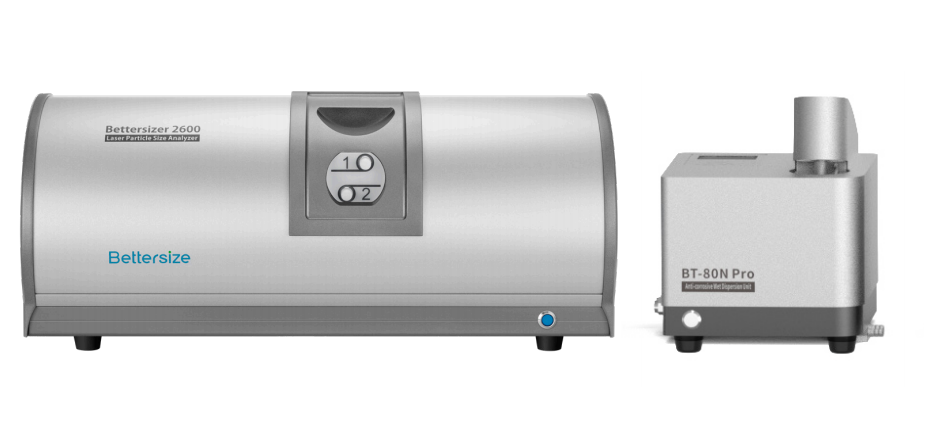
Bettersizer 2600 Laser Diffraction Particle Size Analyzer- BT-802 Wet & BT-902 Dry Dispersion units
Couldn't load pickup availability

Still have questions? Ask our experts!
Bettersizer 2600 Laser Diffraction Particle Size Analyzer- BT-802 Wet & BT-902 Dry Dispersion units
MSE Supplies is an authorized distributor of Bettersize Instruments. The product is sold for US customers only.
Bettersizer 2600 with only wet or dry dispersion unit is also available. Please contact us for more details.
Introduction
Key Features
- Stable optical system with high resolution and high sensitivity
- High signal-to-noise ratio for ultra-fine particles
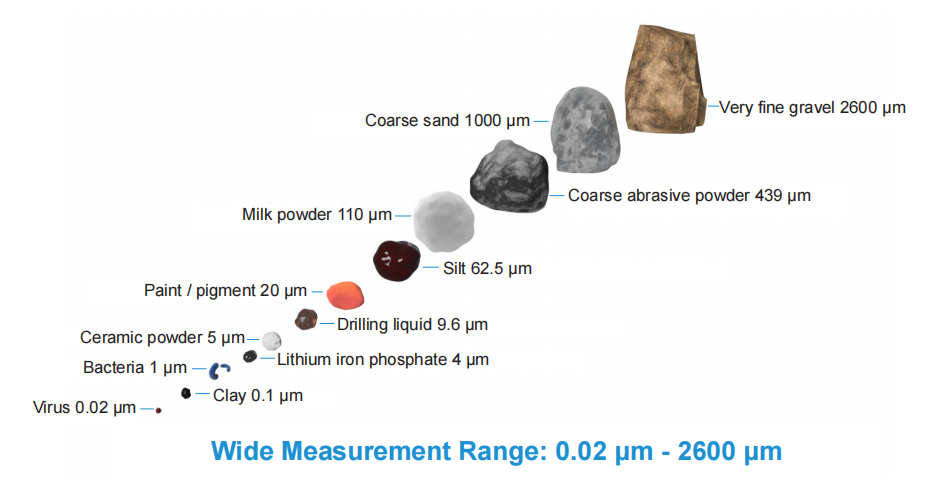
- Wide measurement range: 0.02 μm - 2600 μm, down to nano and up to millimeter range
- Single-laser system (635 nm) – no mixing of different wavelengths in the spectrum
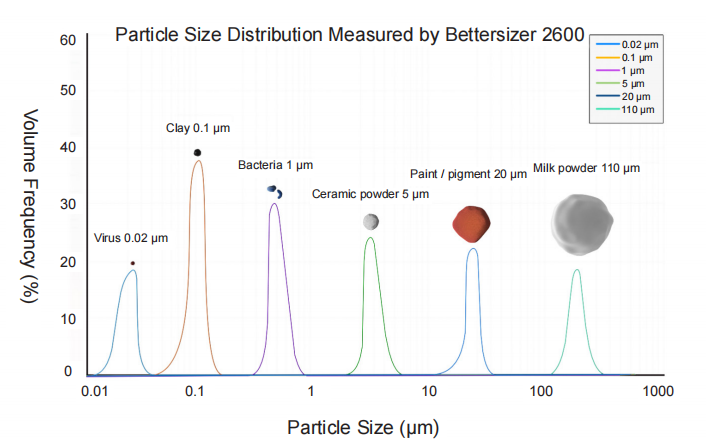
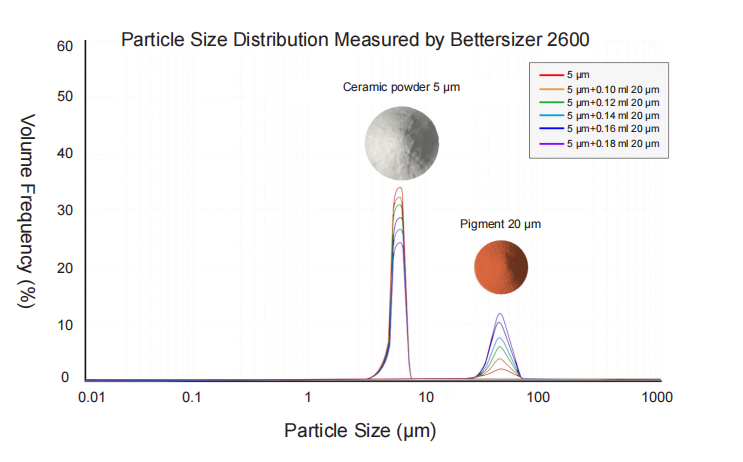
When gradually adding one sample to the other, the Bettersizer 2600 displays the change of particle size distributions in the curve, verifying its excellent sensitivity.
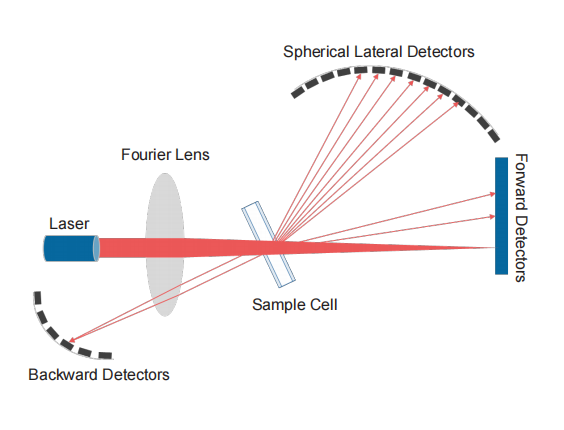
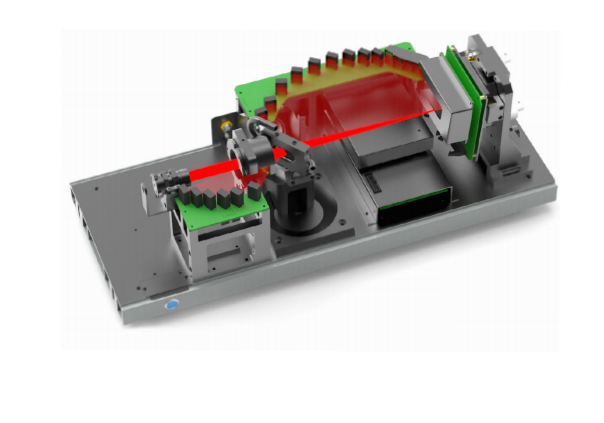
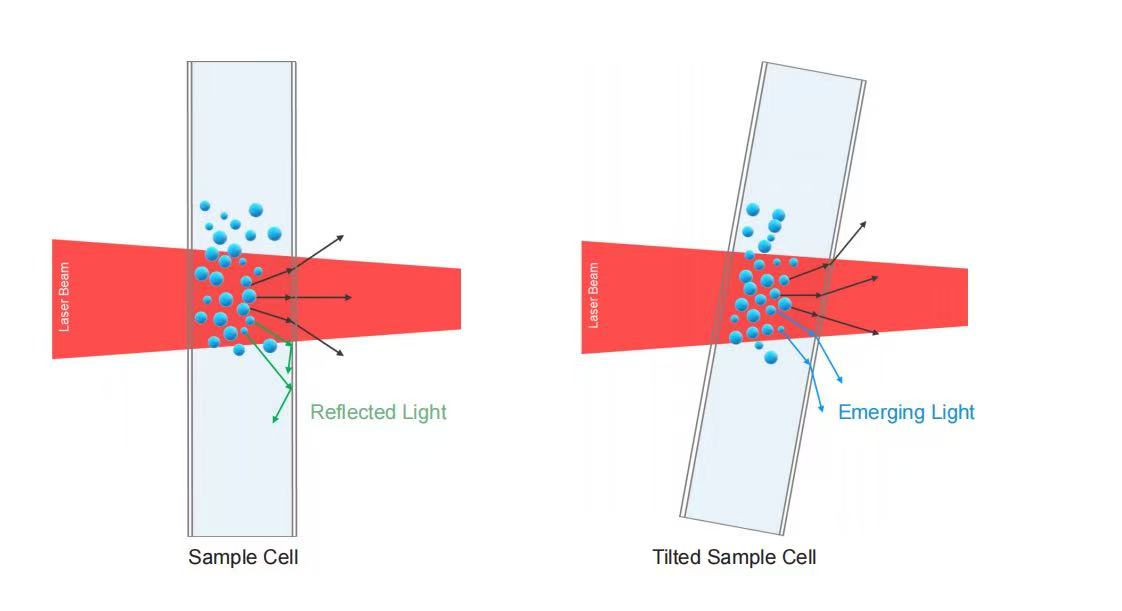
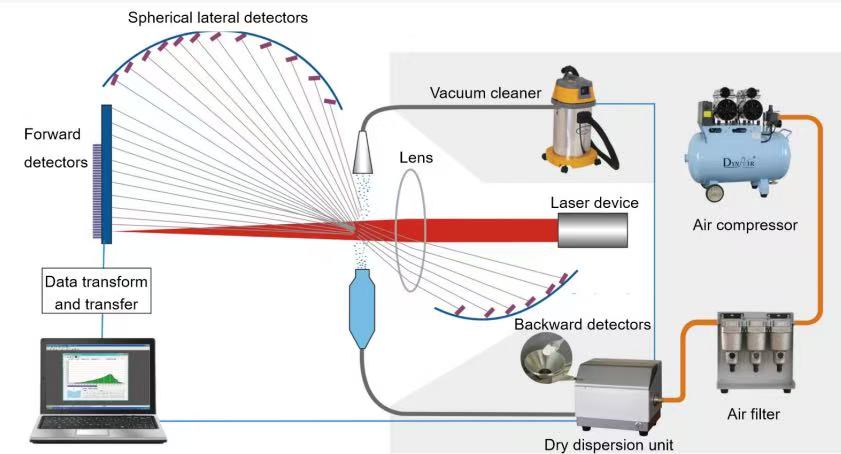
The Bettersizer 2600 is superior in the combination of Fourier and inverse Fourier design. This smart design allows, on the onehand, the detection of stray light in a very wide angularrange from 0.016° to 165°. On the other hand, in contrast to the inverse Fourier design, the particles do not have to lie on one plane – the simultaneously accurate measurement of small and large particles is therefore achieved.
- Spherical detector array: Forward, lateral and backward detectors in 92 pieces in total;
- Super large Fourier lens;
- Small footprint: Compact design to save space.
Ⅲ - Refractive Index Measurement
Under Mie theory, measurements by laser diffraction are challenging for samples including:
- Samples with completely unknown complex refractive index;
- Samples with heterogeneous chemical composition;
- Samples with significantly different particulate optical properties compared to the bulk material;
- Samples having a distinctly strong optical dispersion (small Abbe number).
Refractive index measurement is one of the best solutions. Bettersizer 2600 is capable of the following:
- Determine refractive index for samples with unknown refractive index;
- Measure samples with unknown properties;
- Verify the known data of a material at a specific light wavelength;
- Provide key parameters to calculate particle size distribution in real time.
| Material | Refractive index (literature) | Refractive index (measured) |
| CaCO3 | (1.53 - 1.65) - 0.1i | 1.62 - 0.1i |
| BaSO4 | 1.65 - 0.1i | 1.68 - 0.1i |
| ZnO | 2.008 - 0.1i | 2.02 - 0.1i |
| Carbon black | 1.88 - 0.55i | 2.02 - 0.1i |
| Al Powder | 1.4 - 3.9i | 1.42 - 3.0i |
| SiO2 – Quartz | 1.54 - 0.00i | 1.54 - 0.01i |
Wet Dispersion System
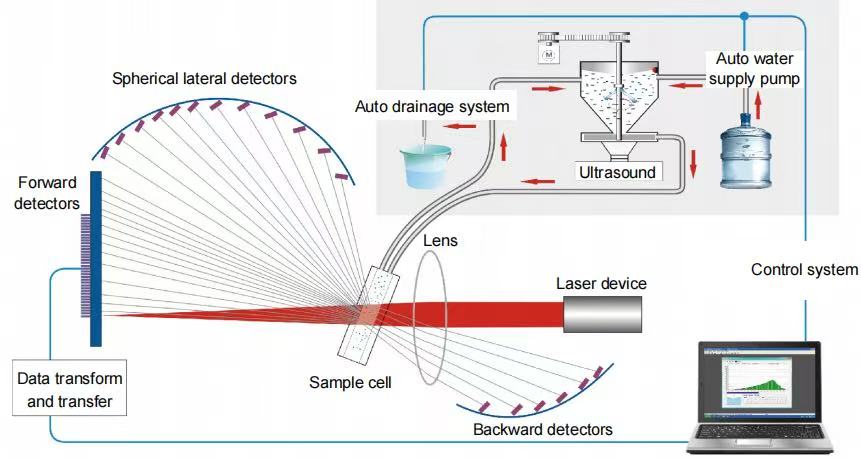
The wet dispersion process begins with adding water or an organic solvent as the dispersing medium. A stirrer prevents settling, and an ultrasonic transducer aids dispersion and removes bubbles. The dispersed particles then flow into the optical systems for measurement and are recirculated to ensure continuous analysis.
Dry Dispersion System
Dry powder samples are loaded into a sample container, which feeds them into the main disperser through vibration or high-pressure air produced by an air compressor. Inside the disperser, the particles are separated and any clumps are broken up. The dispersed particles then pass through the laser diffraction system for measurement before being collected by a vacuum cleaner.
Intuitive and Powerful Software
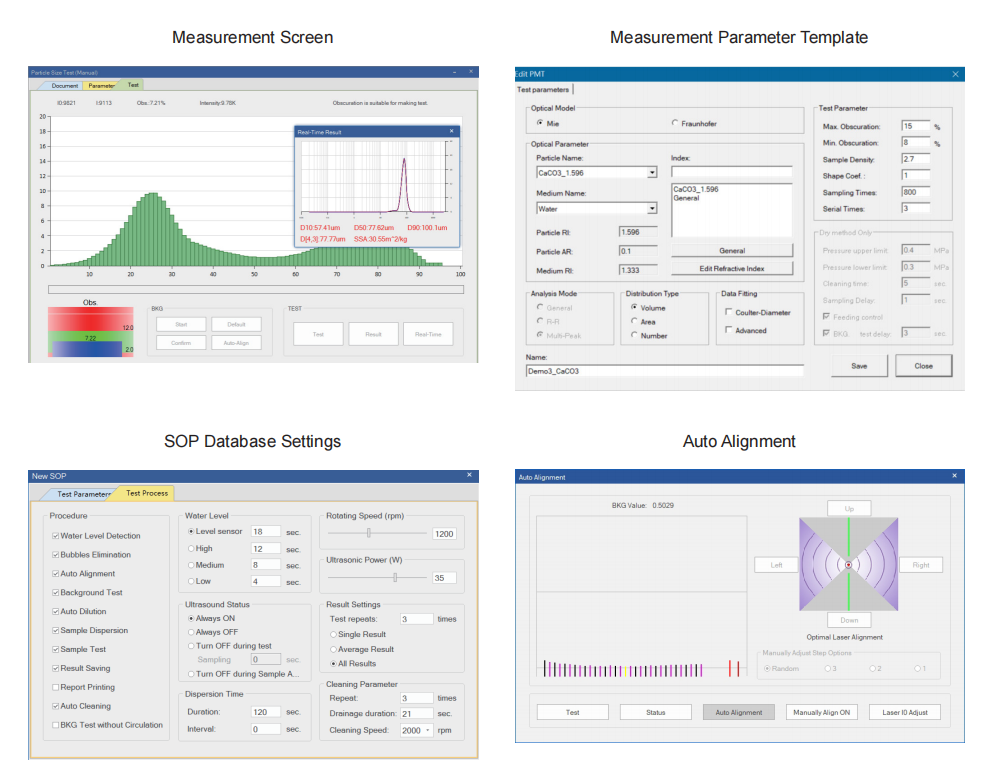
The Bettersizer 2600 comes with the specialized software that includes various powerful built-in functions such as finite-difference algorithms, light flux compensation, inverse algorithms, multilingual operating system, SOP settings, etc. With these functions and a powerful software, the accuracy and repeatability of measurement results are thereby guaranteed.
Advantages of Bettersizer 2600 Software
- Intuitive operation and orderly user interface
- Real-time mode for determining the optimal measurement conditions
- Fully automatic measurement routine
- Automatic cleaning routine
- Automatic data backup and highly customizable reports
- Direct conversion according to Fraunhofer and Mie evaluation models
- Switch between wet and dry dispersion modules with one click.
Automated Measurement Workflow
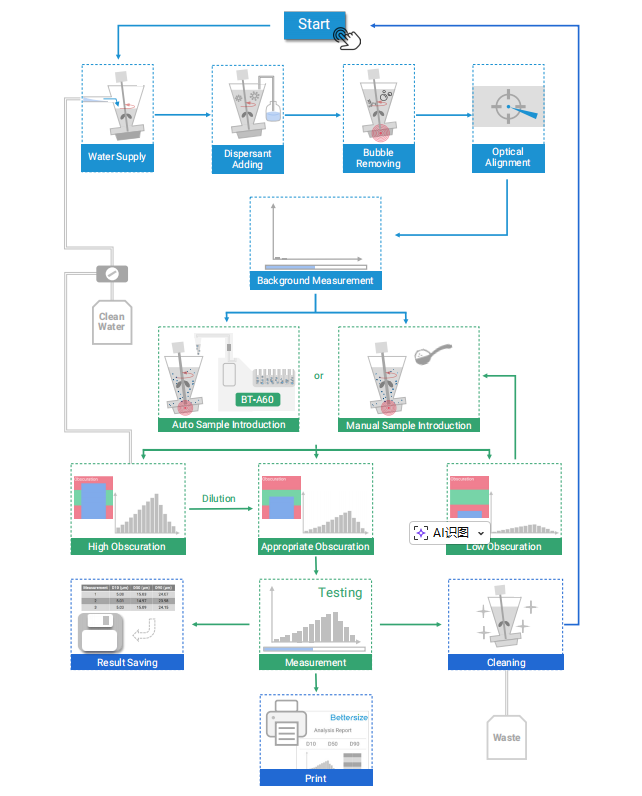
The Bettersizer 2600 implements automated particle size measurement through its SOP (Standard Operating Procedure) function, which converts standardized testing methods into fully executable workflows. An SOP defines the complete measurement process rather than individual parameters. Shown below is the wet dispersion SOP as a representative workflow.
Auto-adjustment of Laser Power
Auto-alignment of Detector Set
This function guarantees good working conditions of the optical system.
Specifications
|
Sample State |
Suspensions, emulsions, dry powders |
|
General |
|
|
Principle |
Laser diffraction technology |
|
Analysis |
Mie scattering theory and Fraunhofer diffraction theory |
|
Typical measurement time |
Less than 10 seconds |
|
Measurement performance |
|
|
Measuring range |
0.02 - 2,600 μm (wet)*; 0.1 - 2,600 μm (dry)*; |
|
Accuracy |
≤ 0.5% * |
|
Repeatability |
≤ 0.5% * |
|
Number of size classes |
100 (adjustable) |
|
Feeding mode |
Automatic circulation or micro cuvette (wet) Gas transportation (dry) |
|
Special functions |
SOP settings, refractive index measurement, sample ratio calculation |
|
Main device |
|
|
Optical system |
Laser diffraction system |
|
Laser |
10 mW, 635 nm, Class 1 laser |
|
Detector |
92 detectors |
|
Measuring angle |
0.016 - 165° |
|
Wet dispersion module |
|
|
Dispersion medium |
Water or organic solvents |
|
Stirring speed |
300 - 2,500 rpm (BT-802, BT-80N Pro); 500 - 3,000 rpm (BT-80N) |
|
Ultrasonication |
Dry burning prevention, 50 W |
|
Dry dispersion module |
|
|
Dispersion medium |
Air/ Nitrogen/Noble gas |
|
Air pressure |
0.1 - 0.8 MPa |
|
Compliance |
|
|
System |
RoHS, CE, ISO 13320, USP <429>, ISO 13322-2 |
|
Software |
21 CFR Part 11 |
|
System parameters |
|
|
Dimensions (L x W x H) |
70.5 x 31.8 x 29.5 cm |
|
Weight |
23 kg |
|
Supply voltage |
100 / 240 V, 50 / 60 Hz |
|
Computer configuration (recommended) |
|
|
Computer interface |
At least one high-speed USB 2.0 or USB 3.0 port required |
|
Operating system |
Windows 7 or higher |
|
Hardware specification |
Intel Core i5 Processor, 4GB RAM, 250GB HD, Widescreen monitor |
|
*Sample and sample preparation dependent |
|
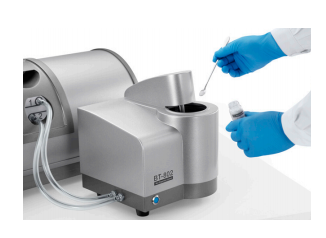
BT-802 is designed for particle dispersion with water as the medium. It is made up of ABS shells. The components of it include centrifugal pump, peristaltic pump, ultrasonic disperser, pinch valve, control circuit, etc.
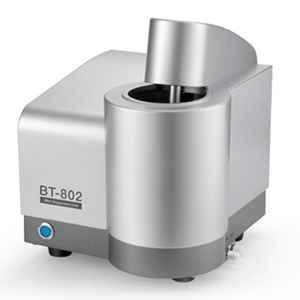 |
Parameter | Specification |
| Measurement range | 0.02 - 2,600 μm | |
| Stirring speed | 300 - 2,500 rpm | |
| Ultrasonic power | 50 W max | |
| Volume | 600 mL max | |
| Medium | Water | |
| SOP | Yes | |
| Automation | Fully automated | |
| Anti-corrosive | No | |
| Dimension (L × W × H) | 255*245*310 mm |
BT-902 is suitable for the dispersion of dry powder particles with compressed gas. BT-902 is made up of electromagnetic vibration feeder, venturi pipe, gas circuit, electric circuit, pressure sensor, etc.
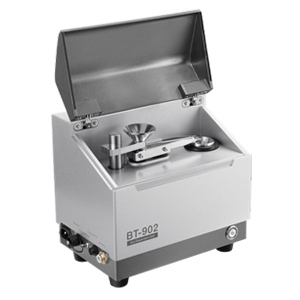 |
Parameter | Specification |
| Measurement range | 0.1 - 2,600 μm | |
| Powder mass | 0.2 - 10 g | |
| Air pressure | 0.1 - 0.8 MPa | |
| Funnel height | 0.7 - 2.9 mm | |
| Medium | Air, nitrogen or noble gases | |
| SOP | Yes | |
| Automation | Fully automated | |
| Dimension (L × W × H) | 310*190*255 mm |
Download the manual here: